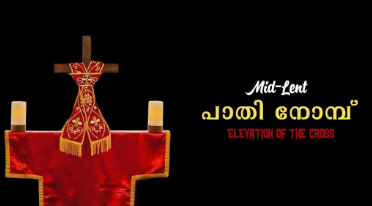
Mid-Lent, often referred to as Laetare Sunday in Christian traditions, marks the halfway point of the Lenten season. It serves as a moment of spiritual refreshment and a reminder of the joy that awaits at Easter. This observance provides believers an opportunity to pause, reflect, and regain strength for the remainder of Lent.
The Significance of Mid-Lent
Lent, a 50-day period of fasting, prayer, and penance, is a time of preparation for Easter. Mid-Lent, falling on the fourth Sunday of Lent, offers a temporary reprieve from the solemnity of the season. The word “Laetare” comes from the Latin word for “rejoice,” emphasizing hope and encouragement amid the penitential journey.
Mid-Lent in Syro-Malabar Tradition
In the Syro-Malabar tradition, Mid-Lent falls on March 26, 2025, and is referred to as Palgusa D’ Souma. This day holds special significance as a checkpoint in the Lenten journey. It is a time for the faithful to look back and evaluate their spiritual progress over the past weeks of Lent. Those who have been observing the season of penance can reflect on their commitment, while those who have not yet fully embraced Lent are encouraged to begin their journey from this point forward.
Palgusa D’ Souma serves as both a moment of self-examination and an invitation to deepen one’s spiritual discipline. It reminds the faithful that it is never too late to turn toward prayer, fasting, and repentance in preparation for Easter.
Traditions and Celebrations
In many cultures, Mid-Lent is celebrated with special customs that reflect joy and renewal. Some traditions include:
- Laetare Sunday Observances: Churches may use rose-coloured vestments instead of the usual Lenten purple, signifying a break from the season’s austerity.
- Festive Meals: In some European traditions, Mid-Lent is marked with special dishes and gatherings to provide nourishment and joy.
- Mi-Carême (Mid-Lent Carnival): In France and parts of Canada, Mid-Lent is celebrated with a festive carnival, including parades and masquerades, offering a contrast to the otherwise solemn season.
- Syro-Malabar Reflections: In the Syro-Malabar Church, believers take this opportunity to renew their Lenten commitments, strengthen their prayers, and prepare for the final phase leading to Holy Week.
A Moment for Personal Reflection
For many, Mid-Lent is a time to assess personal spiritual progress. It’s an opportunity to refocus on Lenten commitments, whether through acts of kindness, prayer, or fasting. The temporary relief offered by Mid-Lent reminds believers of the light at the end of the Lenten journey.
In the Syro-Malabar tradition, Palgusa D’ Souma emphasizes the dual nature of this moment: reflection for those already observing Lent and encouragement for those who wish to start anew. It highlights the mercy of God and the call to deeper faith.
Mid-Lent is a meaningful checkpoint within the Lenten season, blending solemnity with anticipation. Whether observed through religious services, cultural festivities, or personal reflection, this period reinforces the themes of renewal, perseverance, and joy as Easter approaches. In the Syro-Malabar Church, Palgusa D’ Souma stands as a powerful reminder that it is never too late to seek spiritual growth and embrace the essence of Lent.
Please pray for all those who have died recently:
Agnes Baby Varghese (80), Thomas Mani (87), George Kakkassery (75) Thomas Chummar (81) P V Varghese Punnackapadavil (88) Marykutty Mathew (76)
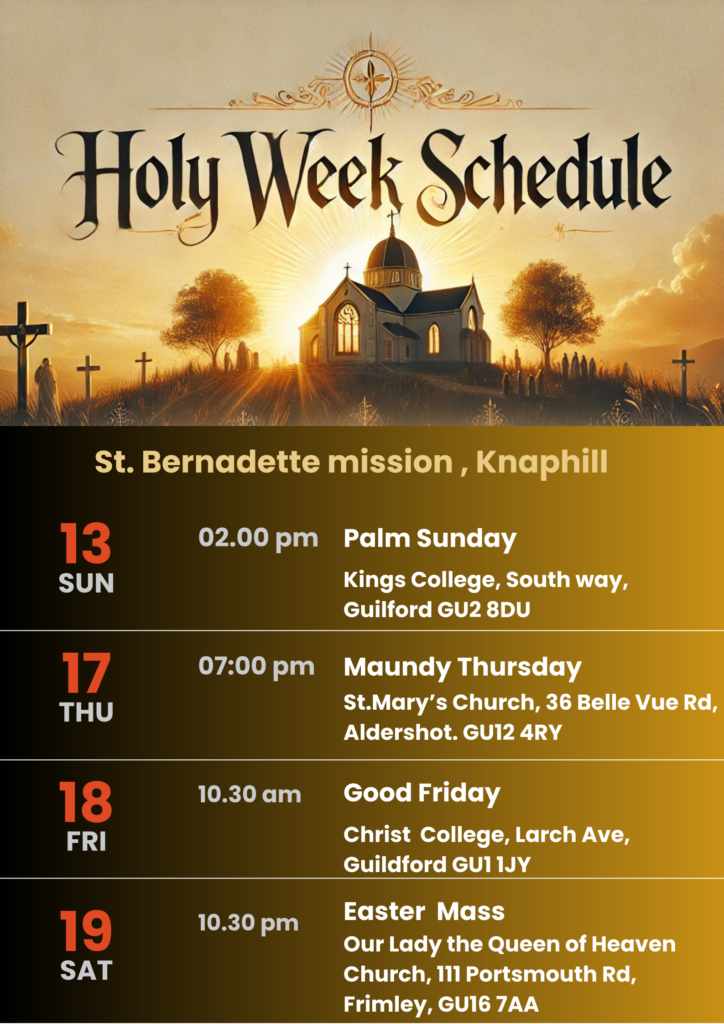
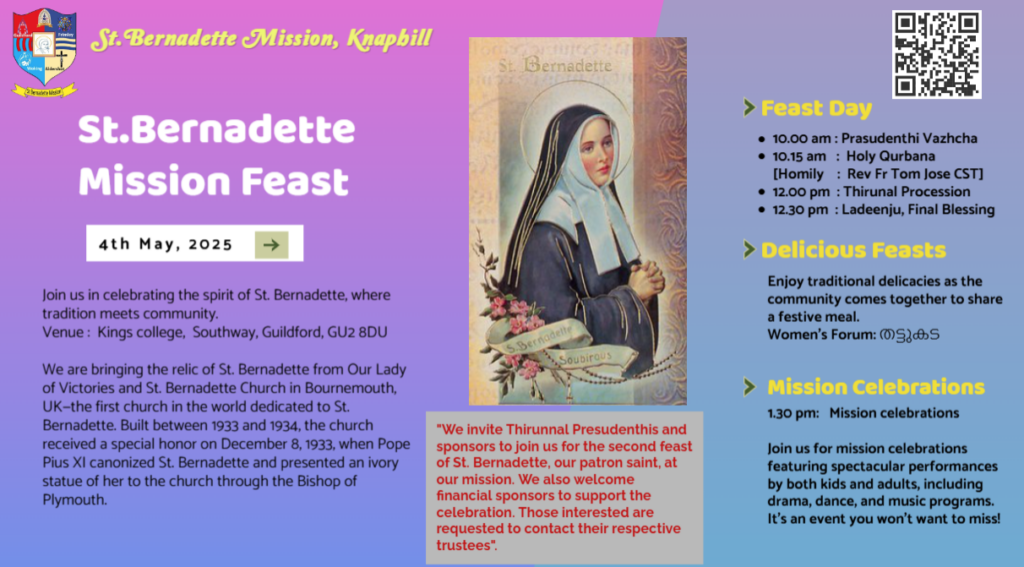
Upcoming events:

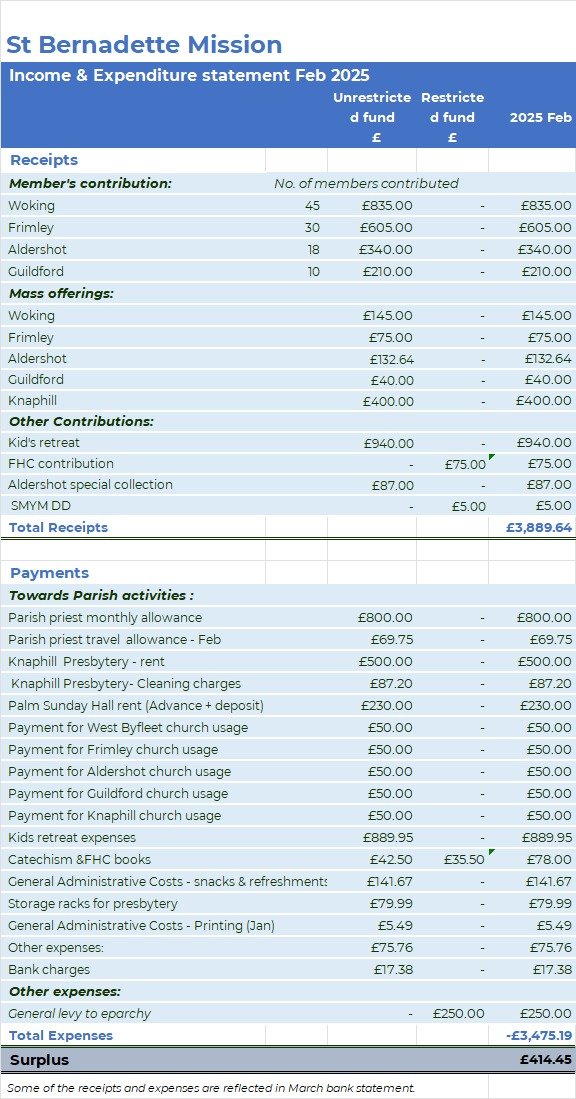
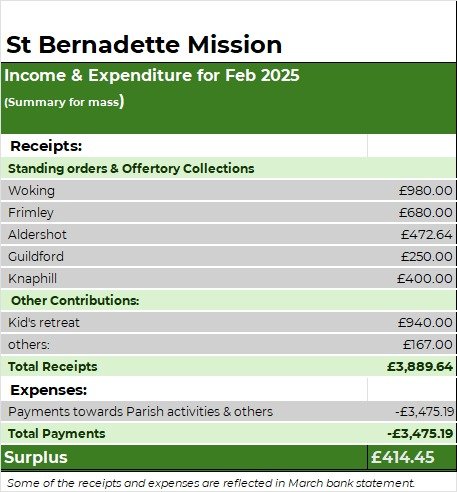
Accounts-February 2025