The concept of Petratha (derived from the Syriac word ‘Peturta’) is deeply rooted in the tradition of introspection, self-evaluation, and spiritual reflection. The term, which translates to “looking back” or “retrospect,” encourages individuals to pause and examine their lives, actions, and spiritual journeys. This practice is particularly significant in Syriac Christian traditions, where it is often associated with periods of fasting, prayer, and repentance, such as during Lent.
Key Aspects of Petratha:
- Introspection and Self-Evaluation:
- Petratha involves a deliberate and honest examination of one’s life, including thoughts, words, and deeds. It is a time to assess whether one’s actions align with their spiritual and moral values.
- This process helps individuals identify areas where they may have fallen short, sinned, or strayed from their intended path.
- Spiritual Growth:
- By looking back at one’s life, Petratha serves as a tool for spiritual growth. It allows individuals to recognize their weaknesses and strengths, fostering a deeper understanding of themselves and their relationship with God.
- This reflection often leads to a renewed commitment to living a more virtuous and purposeful life.
- Repentance and Forgiveness:
- A central aspect of Petratha is the acknowledgement of one’s mistakes and sins. This acknowledgement is followed by genuine repentance and a desire for forgiveness.
- In the Christian context, this repentance is often accompanied by prayer, confession, and acts of penance, aiming to restore one’s relationship with God and others.
- Gratitude and Acknowledgment of Blessings:
- Petratha is not solely about focusing on failures or shortcomings. It also involves recognizing and giving thanks for the blessings, guidance, and grace one has received.
- This balanced reflection helps individuals cultivate a sense of gratitude and humility.
- Preparation for the Future:
- By reflecting on the past, Petratha equips individuals to make better choices in the future. It serves as a foundation for setting spiritual goals and intentions.
- This forward-looking aspect ensures that the process of retrospection is not merely about dwelling on the past but about using those insights to shape a more meaningful future.
Practical Application:
In the Syriac Christian tradition, Petratha is often practised during specific liturgical seasons, such as Lent, when believers are called to deepen their spiritual lives through fasting, prayer, and almsgiving. During this time, individuals might engage in:
- Daily self-examination: Reflecting on their actions and thoughts at the end of each day.
- Confession: Seeking reconciliation with God and the community through the sacrament of confession.
- Meditation on Scripture: Using biblical passages to guide their reflection and prayer.
Broader Significance:
While Petratha has its roots in Syriac Christianity, the concept of retrospection and self-evaluation is universal. It resonates with other religious and philosophical practices, such as Examen in Ignatian spirituality and Vipassana in Buddhism. These practices highlight the timeless human need to pause, reflect, and strive for personal and spiritual growth.
Petratha is a profound and transformative practice that encourages individuals to look inward, reconcile with their past, and move forward with greater clarity, purpose, and spiritual alignment.
Please pray for all those who have died recently:
Agnes Baby Varghese (80), Thomas Mani (87), George Kakkassery (75) Thomas Chummar (81) P V Varghese Punnackapadavil (88) Marykutty Mathew (76)
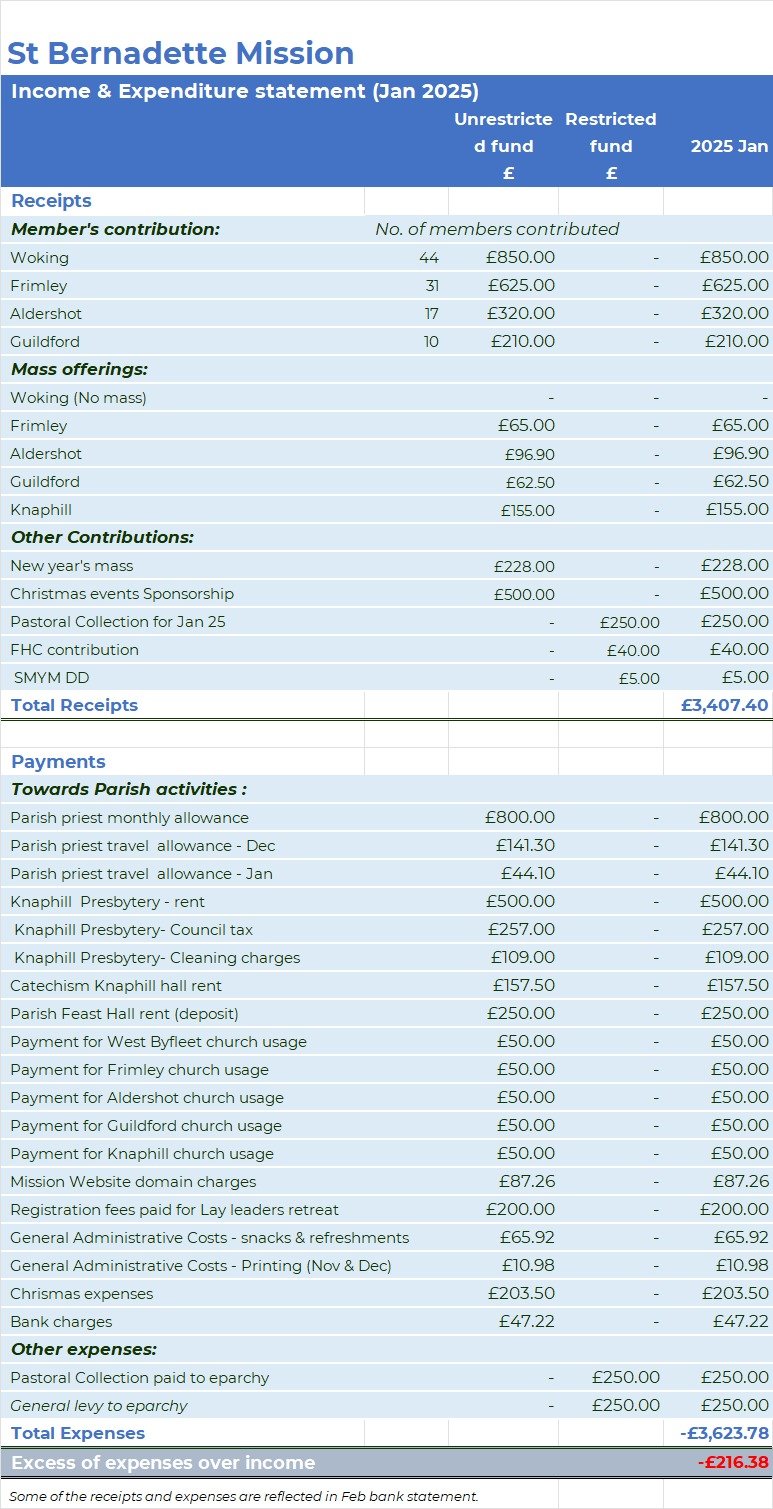
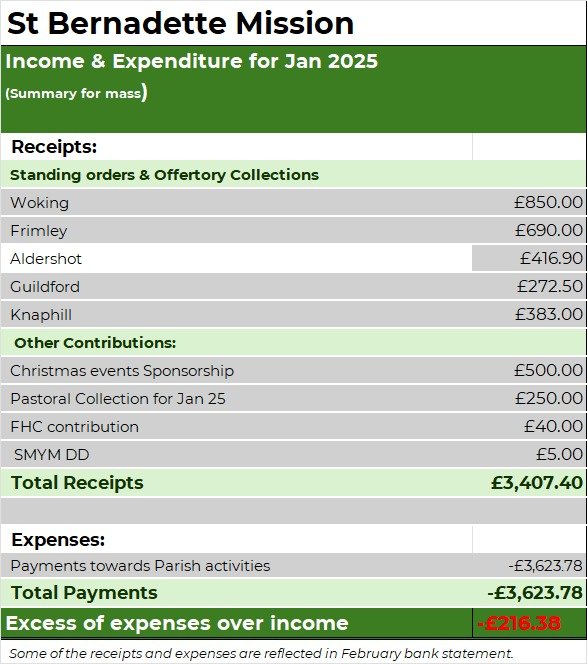
Accounts-January 2025