In the seventh century, a small but vibrant town called Heera thrived near Basra, known primarily for its predominantly Christian population. This community lived in peace, centering their lives around the church and their faith. The town was a beacon of Christian traditions and values, with the Church of St. Mary standing as its spiritual and social hub.
However, their peaceful existence was threatened when the powerful Caliph of Baghdad, renowned for his cruelty and despotic rule, turned his attention toward Heera. The Caliph, whose reputation for brutality was well known, had developed a notorious weakness for beautiful women. News of the exceptional beauty and grace of the women of Heera had reached him, stirring his desires. Driven by lust and the need to assert his dominance, the Caliph ordered the swift capture of Heera, planning to reach the town in just three days.
Following the Caliph’s orders, a fanatical Muslim governor was appointed to oversee Heera. This governor, known for his unwavering loyalty to the Caliph and his zealous enforcement of Islamic law, began implementing the Caliph’s decrees with ruthless efficiency. The once peaceful and joyous town of Heera was now gripped by fear and anxiety, as the women realized that their chastity and dignity were under severe threat.
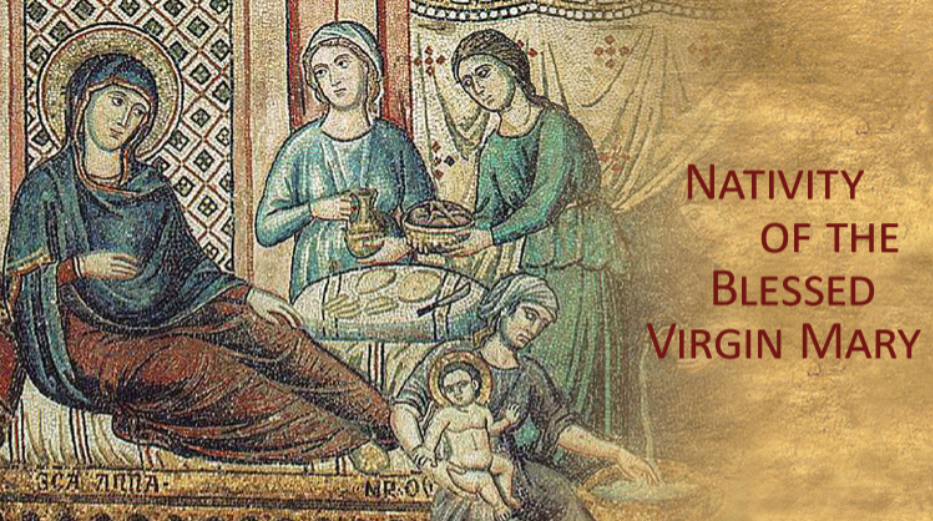
In their desperation, the women of Heera turned to their faith. They sought refuge within the walls of the Church of St. Mary, believing that only divine intervention could save them from the impending violation. The church, a symbol of sanctuary and hope, became their last bastion of safety. The priest, a man of deep faith and spiritual authority, sensing the gravity of the situation, called for an uncompromising three-day lent, urging the entire congregation to fast and pray fervently for the intercession of the Virgin Mary.
For three days, the people of Heera fasted and prayed with unyielding faith, their hearts filled with both fear and hope. The church echoed with their prayers, as they pleaded for divine mercy and protection. On the third day, as the Holy Qurbana was being celebrated, an extraordinary event took place. In the midst of the sacred liturgy, a golden beam of light suddenly descended from the heavens, illuminating the entire church with a divine radiance. The priest, awestruck by the vision, beheld the glorious figure of Mother Mary within the light.
In a voice filled with compassion and reassurance, the Blessed Virgin spoke to the priest, saying, “Do not be afraid; peace be to you – Rejoice. The Caliph is no more. Tribulations are over.” Her words filled the priest with a profound sense of peace and joy. Turning to the congregation, the priest relayed the heavenly message, his face glowing with an otherworldly aura. The people, overwhelmed with relief and gratitude, praised the Lord and thanked Mary for her miraculous intercession.
News soon spread that the cruel Caliph had indeed met his end, and the threat to the town had vanished as swiftly as it had arisen. The women of Heera, their faith rewarded, were filled with immense gratitude to the Blessed Virgin. In honor of this miraculous deliverance, they vowed to observe a special eight-day lent each year from the 1st to the 8th of September. This lent was not just a tradition, but a solemn commemoration of the time when Mother Mary intervened to safeguard their chastity, modesty, and dignity.
The annual observance of this lent became a deeply ingrained part of Heera’s Christian community, serving as a powerful reminder of the strength of faith and the protective grace of the Virgin Mary. The story of Heera’s miraculous deliverance continued to be passed down through generations, inspiring countless believers to place their trust in divine providence during times of great tribulation.
Please pray for all those who have died recently:
Thomas Mani (87), George Kakkassery (75) Thomas Chummar (81) P V Varghese Punnackapadavil (88) Marykutty Mathew (76)
Commemorate the Death Anniversaries of Our Loved Ones:
Prof.Baby Varghese Menacherry (61)2001.