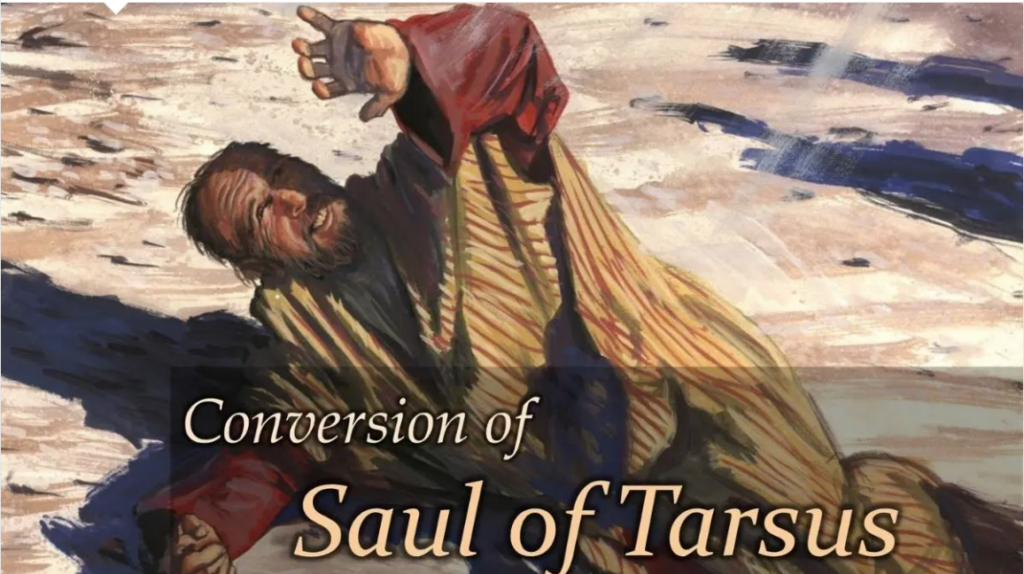
Yesterday was the feast of the Conversion of Saul of Tarsus—an event of extraordinary significance in the history of the world due to the unparalleled impact Saul had, post-conversion, in spreading the Gospel across the known world and shaping Christian theology—it is essential to reflect on what led to his conversion, what his conversion truly was, and what it means for our journey of faith.
To begin, St. Paul’s conversion seems to have been, at least in part, the miraculous fruit of St. Stephen’s prayers. When the first Christian martyr was being stoned outside the Jerusalem Gate, later named after him, Saul stood nearby, presiding over the execution. The witnesses laid their cloaks at his feet as he approved the killing. At that moment, St. Stephen prayed, “Lord, do not hold this sin against them,” while asking Jesus to receive his spirit—echoing Christ’s own words from the Cross: “Father, forgive them, for they know not what they do.” These prayers—Stephen’s and Jesus’—were answered. God did not hold Saul’s sin against him. Instead, Jesus met Saul on the road to Damascus, offering him forgiveness and the transformative grace of conversion.
Understanding the nature of Saul’s conversion is crucial. Many believe his conversion was like the common experience of turning from an immoral to a moral life. But Saul’s conversion was something quite different. It shifted from a false understanding of holiness to a true one. Saul was already zealous for God. He had travelled from Turkey to Jerusalem to study under Gamaliel, the greatest rabbi of the age. In his youthful fervour, he sought to protect the unity of Israel by stamping out what he perceived as a dangerous, heretical sect: followers of Jesus, who claimed that a carpenter from Nazareth was not only the Messiah but also the Son of God. Saul believed this teaching was blasphemous and a threat to the Temple itself, and his mission was to root it out by hunting down Christians.
St. Paul’s conversion compels us to examine our own. Many who attend daily Mass, thanks be to God, are not called to turn away from lives of overt wickedness, debauchery, or violence. However, like our Christian brothers and sisters, we often need conversion from a flawed or shallow understanding of what it means to live a holy life. Some of us are minimalists, attending Mass only when it fits into our schedules, praying only when all other tasks are completed, and keeping the commandments as best we can—without being “fanatical” about avoiding sin entirely. Others among us are legalists, thinking that fulfilling external obligations—praying, paying, and obeying—is sufficient. If we fast a couple of days a year, abstain from meat on Lenten Fridays, and avoid mortal sins, we believe we’ve done enough to secure our place in heaven.
Today invites us to pray for conversion—not only for ourselves but also for those who unknowingly persecute Christ, those caught up in sins for which he suffered and died, and those who, even now, martyr his followers across the globe. It is a day to seek God’s grace to transform our lives from superficial or incomplete notions of holiness into the fullness of the Christian life he calls us. Like St. Paul, we must be so transformed that we echo his words: “Woe to me if I do not preach the Gospel!” May this day inspire in us the desire and courage to live fully for Christ and to share the gift of his salvation with the world.
Please pray for all those who have died recently:
Agnes Baby Varghese (80), Thomas Mani (87), George Kakkassery (75) Thomas Chummar (81) P V Varghese Punnackapadavil (88) Marykutty Mathew (76)
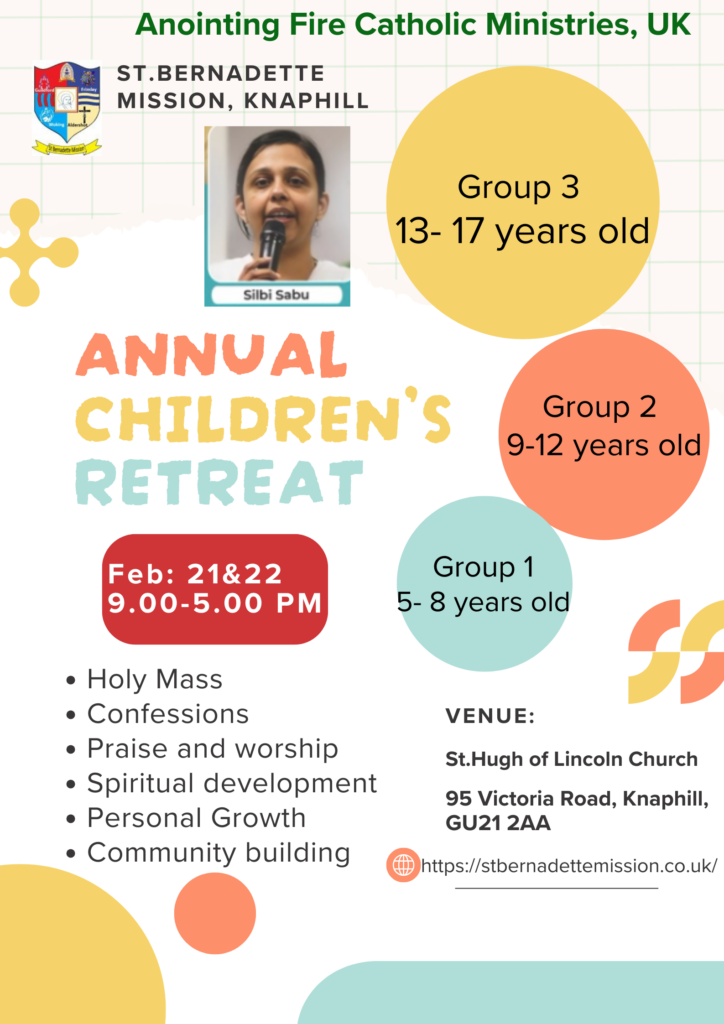
Upcoming Events:
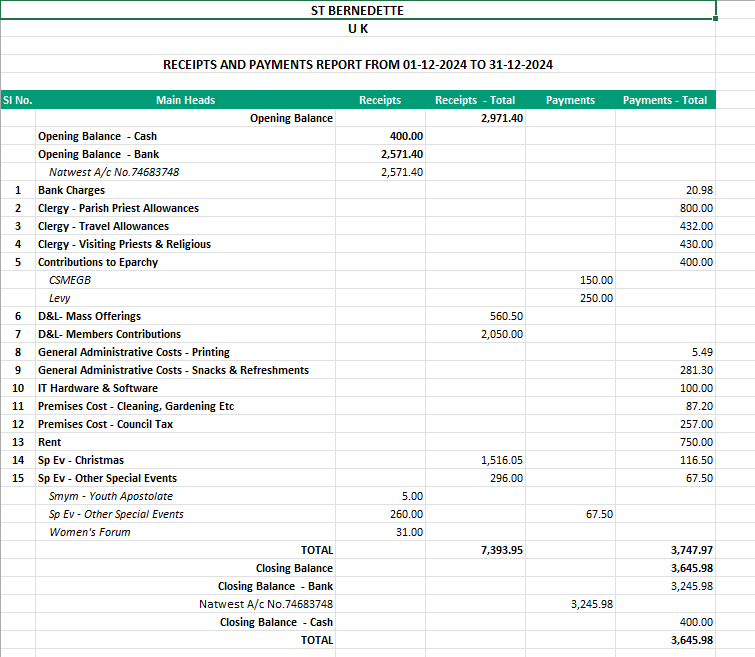
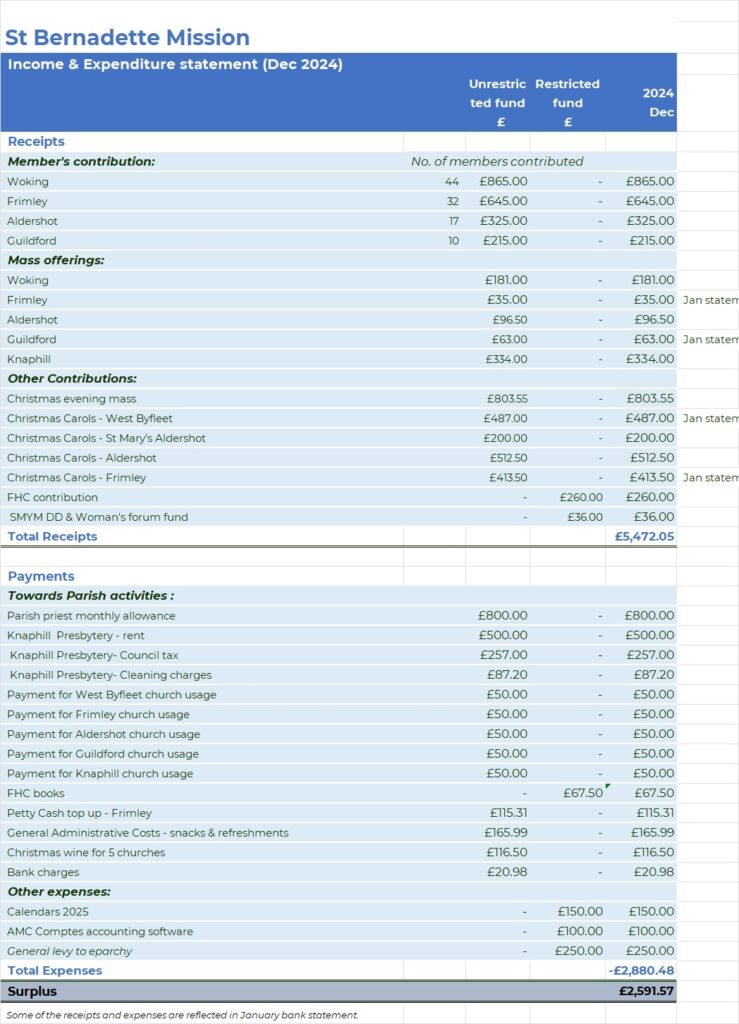
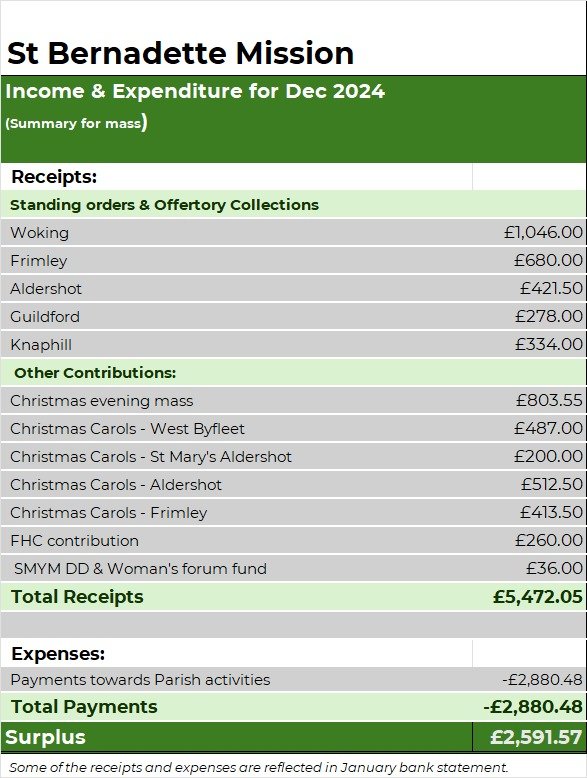
Accounts-December 2024