St. Bernadette Mission — Sunday Reflection
Three Days Fast (Moonu Nombu)
A Call to Repentance, Conversion, and Renewal
Moonu Nombu in the Syro-Malabar Liturgy
Moonu Nombu (literally “three days of fasting”), also known as the Rogation of the Ninevites or Ba’utha d-Ninwaye, is an important penitential observance in the Syro- Malabar Church rooted in the East Syriac tradition. It originated from the repentance of Nineveh, was shaped by early Syriac Christianity, formally established during times of crisis such as plagues, and has been faithfully handed down unchanged to the Syro-Malabar Church.
What is Moonu Nombu?
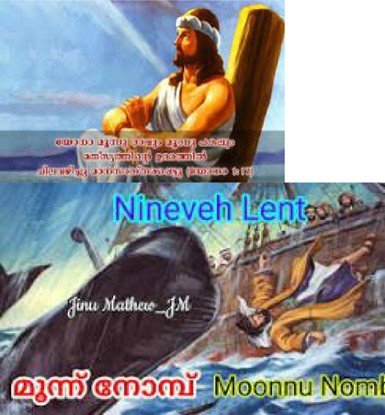
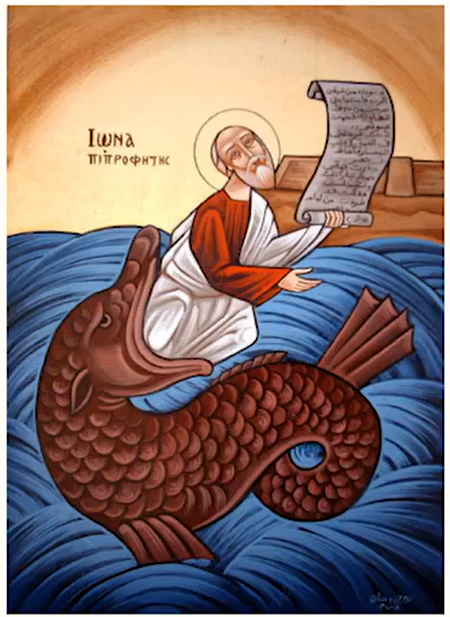
Moonu Nombu is a three-day period of fasting and prayer observed by the Church as an act of repentance and humble supplication for God’s mercy. It commemorates the repentance of the Ninevites after the Prophet Jonah warned them of destruction and symbolically recalls the three days Jonah spent in the belly of the whale, prefiguring the burial of Christ.
Timeline of the Fast
- Observed before the Great Fast (50-day Lent)
- Concludes 18 days before Lent, known as Pathinettamida Nombu
- Ends with veneration of the Cross and feast celebration on the fourth day
- For 2026: January 26th–28th (Monday to Wednesday of the 5th week of Denha)
Historical Foundation
The fast is rooted in the Book of Jonah (Jonah 3–4). When God called Jonah to preach repentance to Nineveh, he initially fled. After being swallowed by a whale for three days and miraculously saved, Jonah obeyed God and proclaimed repentance. When the Ninevites fasted, repented and turned away from sin, God saw their sincere conversion and withdrew His punishment. The Church imitates this powerful act of communal repentance, trusting in God’s mercy.
Theological Meaning
- Symbolizes the three days Christ spent in the tomb
- Calls for complete repentance and inner conversion
- Prepares the faithful for the penitential journey of Lent
How Moonu Nombu Was Celebrated in the Past
Traditionally, clergy and faithful gathered in churches for prolonged prayer, recitation of the Psalms, penitential hymns, and sermons, especially those of ‘St. Ephrem’ urging imitation of the repentance of the Ninevites. The fast was observed with deep devotion, strict abstinence and communal prayer over three days, concluding with Holy Qurbana and thanksgiving on the fourth day.
Rituals and Living Traditions
In the Martha Mariam Major Archiepiscopal Pilgrim Church at Kuravilangad, the unique ritual of ‘Kappalottam’ (Racing Ship) is observed during Moonu Nombu. A wooden ship carrying a statue of Jonah is carried around the church, symbolising Jonah’s flight and the storm-tossed ship and concludes with the symbolic casting out of Jonah, recalling surrender to God’s will and the call to repentance.
Call to Prayer
Moonu Nombu is a sacred call to return to God before entering the Great Fast. It invites us to reflect on our lives, repent sincerely of our sins and renew our commitment to holiness. The Church encourages every faithful member to respond generously to this call and to strive to live a life pleasing to God.